
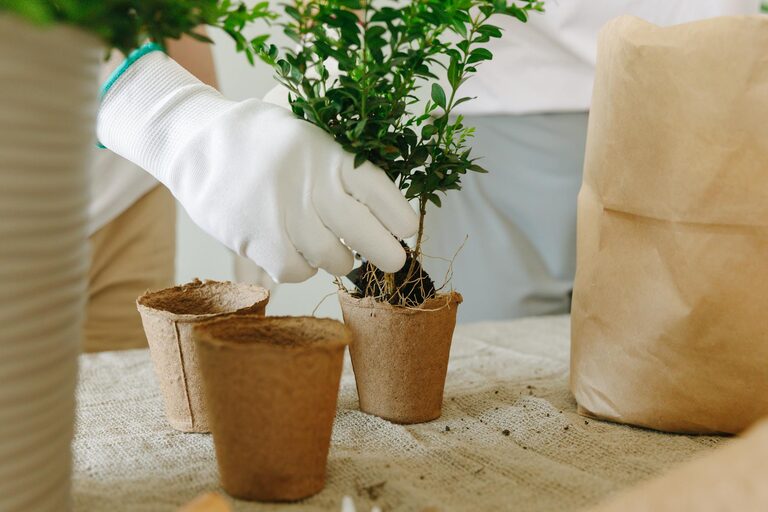
Tips for Creating an Eco-Friendly Home Garden
Creating an eco-friendly home garden is a wonderful way to connect with nature, reduce your environmental footprint, and enjoy fresh, homegrown plants. Whether you have a small balcony or a spacious backyard, adopting sustainable gardening practices can benefit the planet and enhance your outdoor space. In this guide, we’ll share practical tips for cultivating an environmentally friendly garden that thrives with care and conservation in mind.
Why Choose an Eco-Friendly Garden?
An eco-friendly garden uses natural resources wisely and creates a habitat that supports local wildlife. By focusing on sustainability, you can:
– Conserve water and energy
– Reduce chemical use and pollution
– Support pollinators like bees and butterflies
– Improve soil health naturally
– Create a more resilient outdoor space
Now, let’s explore key steps to making your garden more sustainable.
Plan Your Garden Thoughtfully
Successful eco-friendly gardening starts with good planning.
Choose Native Plants
Native plants are adapted to your region’s climate and soil, making them easier to grow with less water and care. They provide food and shelter for local birds, insects, and pollinators.
Mix Plant Types
Include a variety of plants such as flowers, shrubs, vegetables, and herbs. Diversity promotes a balanced ecosystem and reduces pest problems.
Consider Garden Location and Layout
Place sun-loving plants where they get adequate light, and shade-tolerant plants accordingly. Group plants with similar water needs to avoid waste.
Focus on Soil Health
Healthy soil is the foundation of any thriving garden.
Compost Organic Waste
Create a compost bin for kitchen scraps and garden debris. Compost enriches soil with nutrients, improves texture, and reduces landfill waste.
Use Mulch
Apply organic mulch like shredded leaves or bark around plants to retain moisture, suppress weeds, and add nutrients as it breaks down.
Avoid Chemicals
Steer clear of synthetic fertilizers and pesticides. Instead, use natural alternatives such as compost tea, neem oil, or insecticidal soap for pest management.
Conserve Water Efficiently
Water is a precious resource, especially during dry seasons.
Collect Rainwater
Set up rain barrels or collection systems to harvest rainwater for irrigation. This reduces reliance on municipal water.
Water Wisely
Water plants early in the morning or late in the evening to minimize evaporation. Use drip irrigation or soaker hoses to deliver water directly to roots.
Choose Drought-Tolerant Plants
Include plants that thrive with less water, reducing the need for frequent watering.
Support Pollinators and Wildlife
Pollinators like bees and butterflies are essential for many plants.
Plant Pollinator-Friendly Flowers
Bright, fragrant flowers such as lavender, coneflowers, and sunflowers attract bees, butterflies, and hummingbirds.
Provide Habitats
Create shelter with birdhouses, insect hotels, or piles of stones and logs where beneficial insects and small animals can live.
Avoid Chemical Sprays
Many pesticides harm pollinators. Use natural pest control methods and encourage beneficial insects.
Practice Sustainable Gardening Techniques
Some simple habits can enhance your garden’s eco-friendliness.
Rotate Crops
If you grow vegetables, rotate them each season to prevent soil nutrient depletion and pest buildup.
Save Seeds
Collect seeds from healthy plants to grow future crops. This reduces the need to buy new seeds and encourages heirloom varieties.
Minimize Lawn Area
Lawns often require a lot of water, fertilizer, and mowing. Consider replacing some lawn areas with native plants, groundcovers, or edible landscapes.
Reuse and Recycle in Your Garden
Incorporate reused materials to lower waste.
– Use reclaimed wood for garden beds or paths
– Repurpose containers, pallets, or old furniture as planters
– Recycle glass jars to create cloches or mini-greenhouses
Maintain Your Garden Responsibly
Consistent, gentle care ensures your garden remains healthy and eco-friendly.
– Monitor plants regularly for signs of stress or pests
– Prune appropriately to promote growth and air circulation
– Harvest produce and flowers at the right time to encourage productivity
Conclusion
Creating an eco-friendly home garden offers many rewards. With thoughtful planning, sustainable practices, and a focus on supporting nature, you can cultivate a green space that’s good for your family and the environment. Start small, learn as you go, and enjoy watching your garden flourish in harmony with the planet. Happy gardening!
